
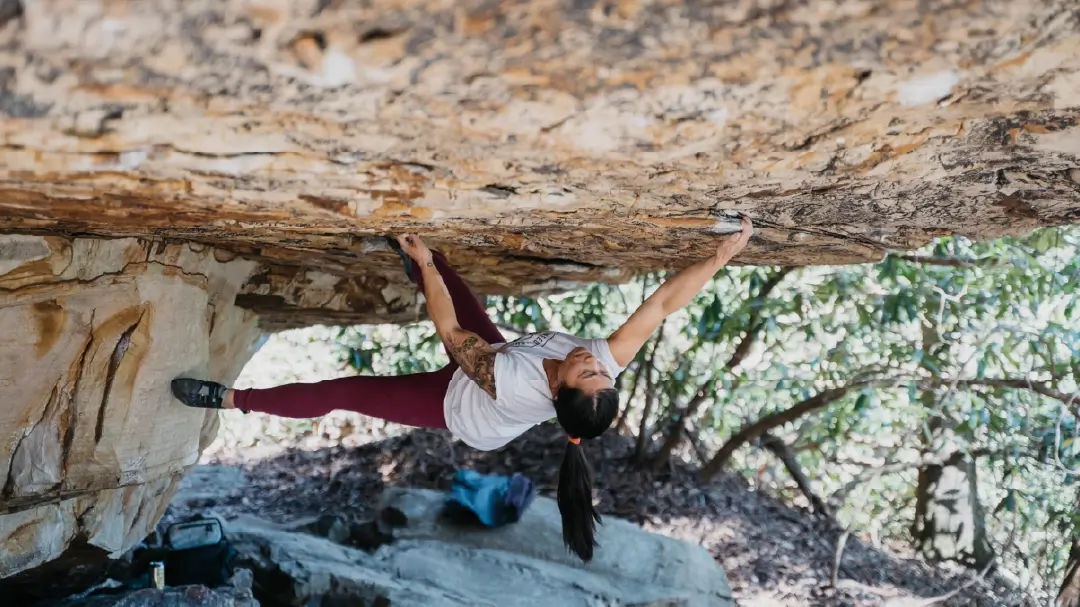
In climbing gyms and crags worldwide, one recurring conversation sparks vigorous debate: Does height—or lack thereof—matter in bouldering? It’s a question that opens the sport’s multifaceted nature, touching on physics, strategy, psychology, and grit.
The Reach Advantage – and What You Give Up
On the surface, taller climbers seem destined for an edge. With longer arms and legs, they can span between holds in ways shorter climbers simply can’t. A discussion on the training site Training Beta cited climbers Torr and Randall asserting that taller climbers require 2.5% less finger strength per 10 cm of height difference (climbing.com, climberspoint.com).
But that advantage comes at a price. Those same longer limbs demand greater core strength to stabilize the extended levers. And while tall climbers can sometimes cruise through reachy moves, their build often translates to a higher body weight, complicating power-to-weight strength needs at advanced levels (outdoors.codidact.com).
Short Climbers: Compact Powerhouses
Enter shorter climbers—light, compact, and often powerhouse-fueled. They tend to possess a superior strength-to-weight ratio, enabling them to flick into tight spaces and maintain tension where taller athletes might strain (outdoors.stackexchange.com). In fact, some sources argue that slightly below-average height is optimal—it preserves reach while amplifying power efficiency .
Beyond physiology, there’s a psychological alchemy. As one journal put it, shorter climbers develop creative beta, learning adaptive sequences and alternative tactics earlier in their progression (climberspoint.com). Carlo Traversi even suggested their stature forces them to innovate, sometimes turning a supposed limitation into a tactical asset (climbing.com).
Disadvantages for Short Climbers: The Reach Hang-Up
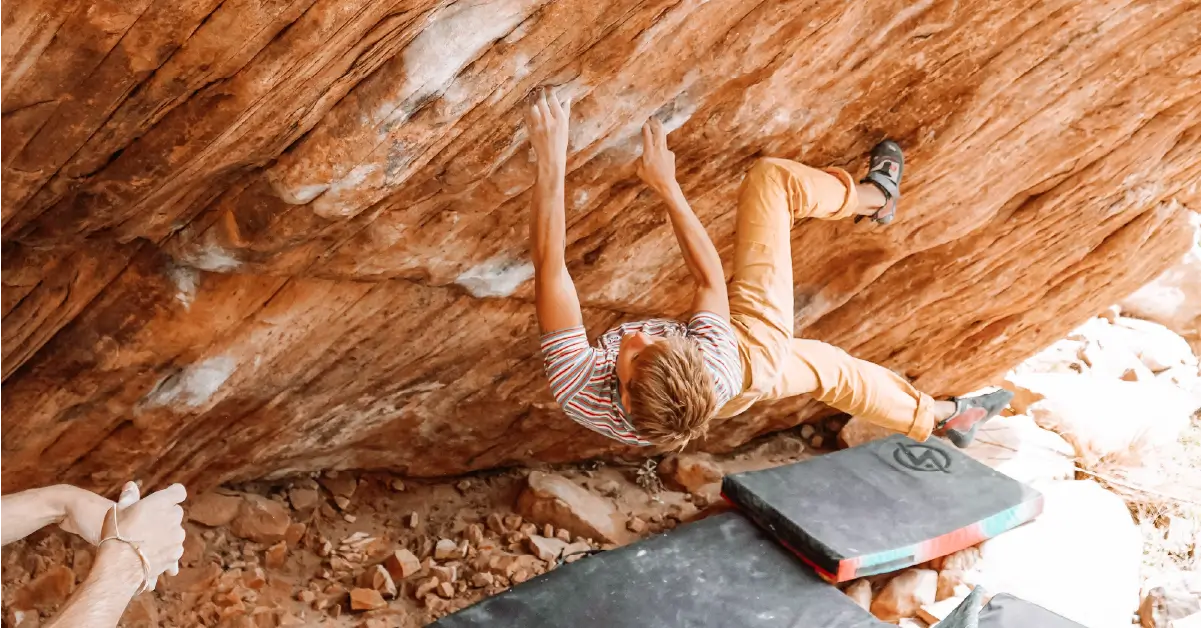
The flip side is unavoidable: certain lines simply favor wingspan. Boulder problems with wide spans between holds, dynos, or sit-starts toward the roof present more obstacles for shorter climbers. Reddit users note that reachy sit-starts can be “borderline-impossible” for tall climbers—or vice versa—so sometimes short and tall climbers face mirror challenges (reddit.com).
The 2024 Paris Olympics controversy underscores this. Japan’s Ai Mori, at 5′1″, couldn’t even reach the start hold after a run, and zeroed out. Critics accused officials of “bullying” shorter athletes by setting routes that favored taller competitors (thesun.co.uk).
Leveling the Terrain: Technique, Beta, Training
Whatever your height, technique and mental horsepower matter most. As Lynn Hill—widely regarded as one of history’s best climbers—famously said:
“Despite what appeared to be a limitation due to my small stature, I could create my own method of getting past a difficult section of rock.”
Technique is where short climbers excel: tight core tension, toe precision, fluid movement. These traits let them thrive in overhanging walls and intricate sequences. And because competitive setters must appeal to a wide height range, boulders are often crafted to accommodate both extremes.
Emergence of Height-Diverse Champions
Look across elite climbers and the message is clear: height isn’t destiny. Champions include both the lithe and the long-limbed. The climbing.com blog quipped: “Shorter climbers are good because they are stronger and technically better.” (climbing.com)
The climbing legend Lynn Hill stood at just 5′2″, yet shattered ceiling after ceiling, free ascending The Nose on El Capitan using cunning and technique—not reach. In the contemporary free-climbing arena, Hyunbin Min (~5′3″) and Ramon Julian Puigblanque echo her steps—powerful, precise, fearless.
High-Level Trade-Offs and the Sweet Spot
Experts suggest an ideal stature might be just below average—offering a balance between reach and compact strength. One analysis noted that longer climbing edges, combined with optimal weight, tends to shift elite climbers slightly under average height, though tall phenoms like Adam Ondra prove height is far from a barrier.
That said, each height presents trade-offs. Tall climbers may contend with awkward power moves or tighter sequences; shorter climbers might need to dial in dynamic movement or find inventive beta for reachy problems.
Strategies to Close the Gap
Regardless of stature, focused training helps mitigate perceived disadvantages:
- Build Finger & Core Strength
Short climbers can amplify their natural power by using dead-hangs, weighted pull-ups, and targeted core circuits. - Train Dynamic Movement
Dynos, jumps, and explosive drills help compensate for reach. Check out our Dyno post to learn more. - Refine Beta & Body Positioning
Clever foot placements and compression moves can unlock sequences that feel reachy. - Maintain Core Control
Taller climbers can benefit from core stabilization drills to manage long limb leverage. - Practice Across Styles
Push through boulder problems across slab, overhang, and roof to diversify skill sets.
Culture and the Excuse Trap
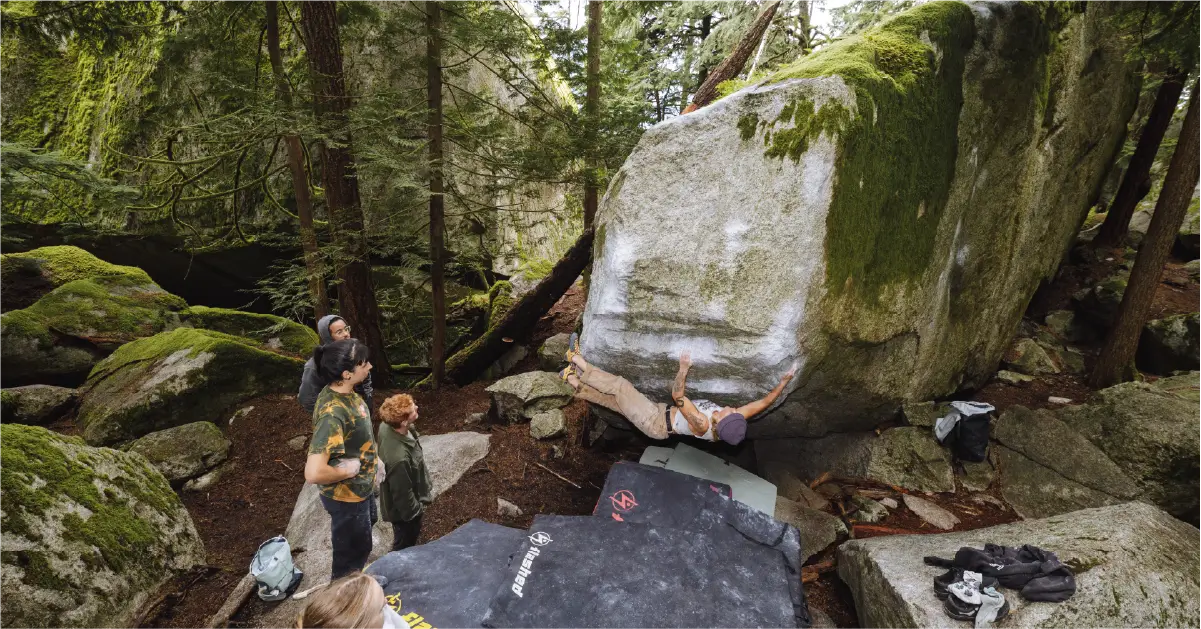
Perhaps the biggest barrier is not height itself but attitude. The culture around climbing encourages self-doubt. One climber noted:
“I realized that all I had been doing was pigeonholing myself and missing out… I learned to morph my frustration into motivation.”
Climbing stories are littered with climbers who overcame perceived physical limits by choosing to try anyway—the path that separates sending from spectating.
Conclusion: Height as a Variable, Not a Limit
So, is being short a disadvantage in bouldering? It depends:
- Against widely spaced or vertical reach moves, short climbers may need extra power or creativity.
- In complex, technical sequences, their compact stature often offers an edge.
Ultimately, success in bouldering isn’t about physical dimensions—it’s about adaptation, strength, technique, and perseverance. Height offers opportunities and constraints, but never defines outcomes.
As Lynn Hill said, the rock is “an objective medium… equally open for interpretation by all.” (climbing.com, climberspoint.com)
Key Takeaways
- Taller climbers enjoy reach but must compensate with strength and core control.
- Shorter climbers excel in power-to-weight, precision, and creative beta adaptation.
- Across styles and levels, technique trumps stature.
- Mindset matters—exploiting your strengths leads to breakthroughs, not blaming height.
At Flashed Climbing, we believe every climber—regardless of height—can conquer their limits. So whether you’ve felt shorted or overshadowed, it’s your heart, hand, and head that get you to the top.
Climb hard. Climb smart. And don’t let height be your headline.