

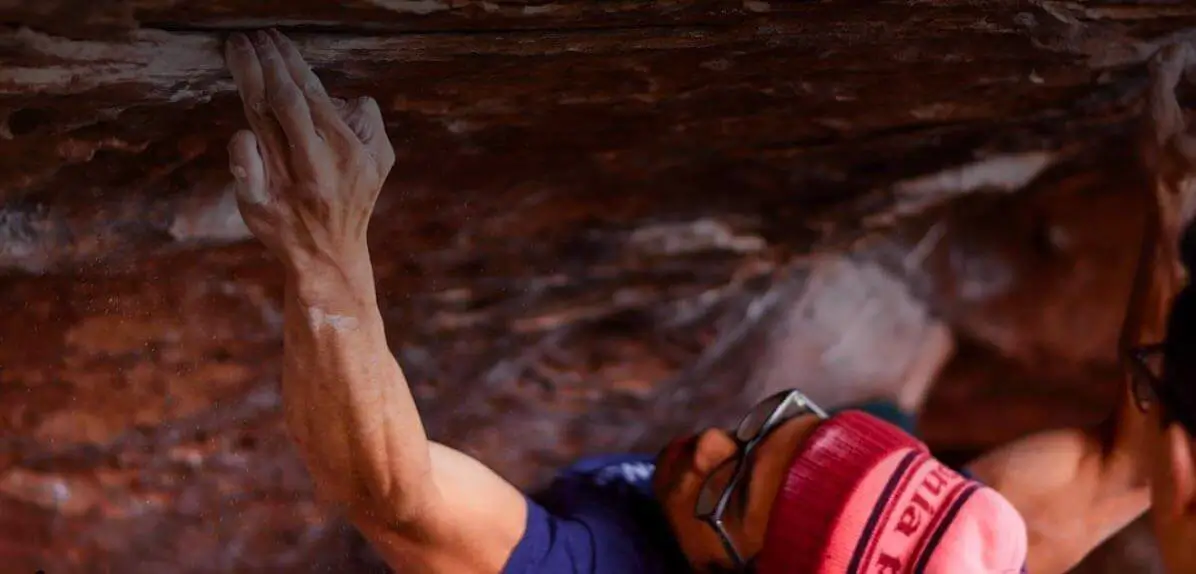
Climbing can tear you down—or build you up. And nowhere is that more obvious than in your hands. At the crux of any send lies more than strength, endurance, or technique. It’s skin—worn, callused, often compromised.
This is your guide. A behind‑the‑scenes look, by journalists and experts who’ve talked to pros, dug through climbing forums, and tested products in rugged conditions. You’ll learn how to prevent injury, heal cuts, and build durable skin for your hardest efforts.
Why It Matters
Your skin is the unsung hero of climbing. It’s sensory tissue, a barrier, an instrument. And friction? It’s your ally—and your enemy. The roughness that gives your grip also tears.
“Start your day and your climbing session with a thorough hand washing,” advises a longtime boulderer, echoing the wisdom of Climbing.com: “Hand hygiene is step one in maintaining properly functioning skin”.
Neglect it, and you’re setting yourself up for flappers, splits, and slow recovery.
Cleanliness: The Bedrock Habit
Wash your hands. Before, during, and after every session. Why? Sweat, chalk, grime—all dry your skin and harbor bacteria.
- Dry hands? Use moisturizing soaps.
- Oily or sweaty? Use plain bar soap and strong cleansing water.
Hot water strips grease; cold rinse seals the deal. Simple. Effective. Necessary.
Build Smart: Calluses & Sanding
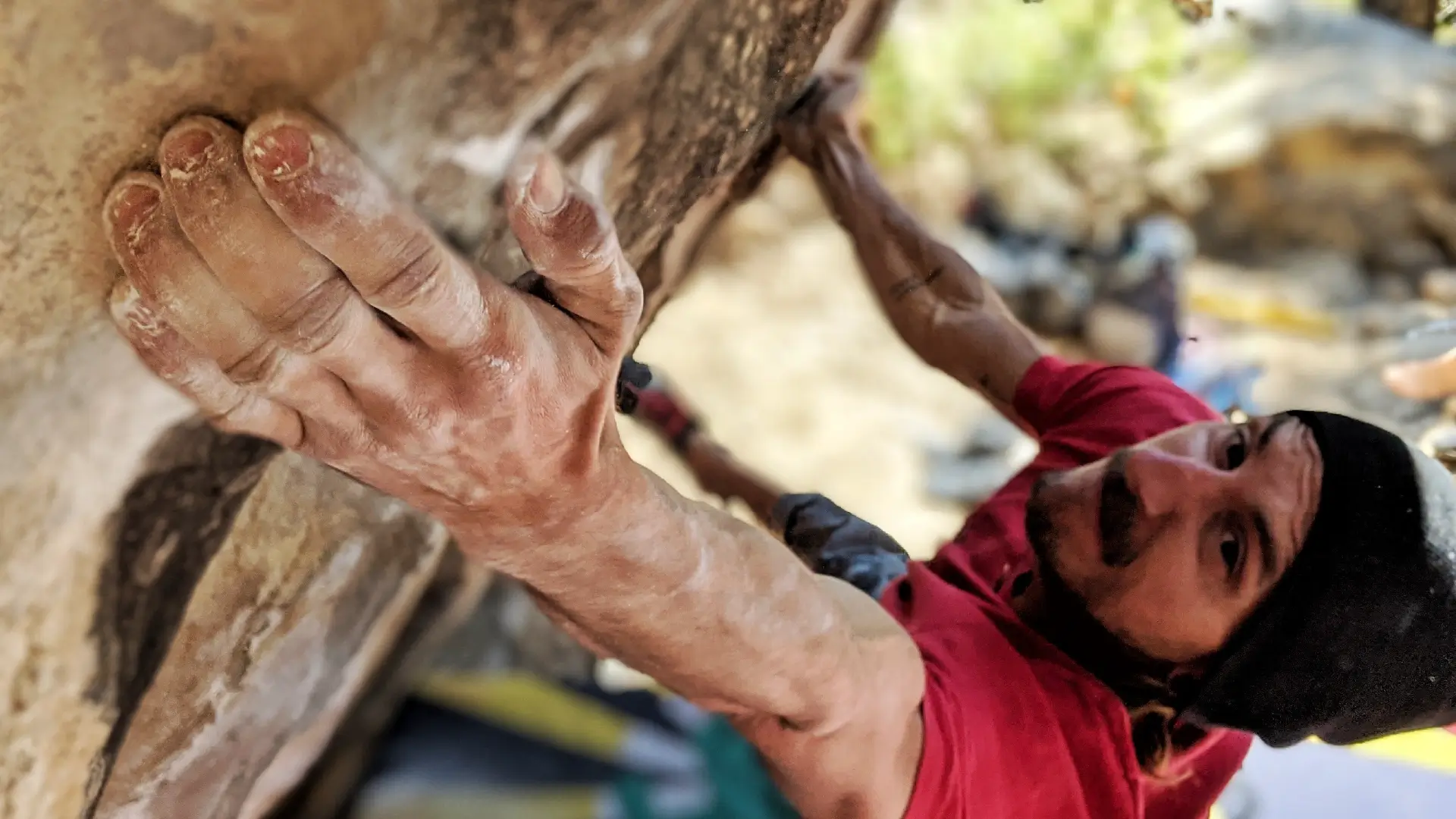
Climbing builds calluses—but too much? Danger.
“Overly thick calluses can tear,” warns Nature Climbing. Climbers use nail files, sandpaper, pumice stones, or dedicated skin files to gently level uneven areas.
One Reddit climber sums it up:
“B) use a moisturizing product overnight… C) sand callouses… D) climbing different holds… Of these, B and D are the most important.”
Yes—climb. Climb diverse rock types and holds. Rotate. Train specific skin resilience. Your skin evolves when you push it… across granite, limestone, overhangs, and slabs.
Moisture: The Goldilocks Zone
You want skin that’s tough yet pliable—not brittle, not floppy.
- Post-climb: Use climbing-specific salve. REI reports Brette (a seasoned climber) uses a nightly hand salve: “keeps my skin moist and helps repair cuts”.
- Rest days & pre-session: Maintain a balanced moisture level. Don’t go greasy right before climbing—but do moisturize in the morning or a few hours beforehand.
Choose balms formulated for climbers (beeswax, shea butter, natural oils)—they protect without overly softening the skin.


Healing Tactics: From Flappers to Splits
Even with the best habits, splits can still occur. Here’s how to handle them:
Flappers (the classic skin peel)
- Don’t leave hanging. Shave it off cleanly—use nail clippers, scissors, or a razor.
- Let it air after climbing. Keeps it dry. Helps heal faster.
Split tips
- Tape the finger. Climbing tape plus superglue—yes, really—locks it down. Superglue, applied before and after the tape, helps hold it in place while the wound heals.
- Use Neosporin or salve under a Band-Aid overnight to expedite recovery.
Abrasions
- Clean, apply antibacterial gel, salve, and bandage.
- Don’t tape your skin perpetually during the day—let it breathe.
Conditions, Rest, and Timing
Climbing in high humidity? Bad idea for skin. Sharp holds? Prepare accordingly. Hot, cold, and wind—each affects your skin’s performance and resilience.
Smart climbers:
- Read the forecast.
- Scale session lengths based on skin temperature and feel.
- Rest more when the sun’s high and humidity spikes.
- A day off is often a skin day—not muscle day.
Sweat & Antiperspirants
Ever feel your chalk clump with sweat? It’s not just grip—it’s skin health.
For climbers with hyperhidrosis (chronically sweaty tips), antiperspirants may help.
Rhino Solutions offers sprays with methenamine:
- Performance (~4%),
- Dry (~8%),
- Tip Juice (~12%).
These products reduce sweat and the risk of slippage while often including moisturizing ingredients to buffer dryness.
Still, trial-and-error is key. Overusing can over-dry your skin.

Diet & Hydration
What you eat matters. A whole-food diet with little sugar and plenty of hydration helps build resilient skin.
Drink enough water. Dehydrated skin splits. So don’t neglect nutrition—with minerals, vitamins, and protein, your skin can’t repair or build properly.
Building a Skin Kit
Want to climb like the pros? Pack:
- Gentle soap
- Skin file or sandpaper
- Nail clippers
- Climbing-specific balm (e.g., Rhino Skin Repair, ClimbSkin, Metolius)
- Climbing tape + superglue
- Antiperspirant spray if needed
- Antibacterial gel or ointment
Consistency is everything. Skin care isn’t a one-and-done hack. It’s daily upkeep. It’s habits. It’s routines.
Final Word
Your skin is more than just flesh. It’s your frontline. Treat it right. Let it work for you, not against you.
- Clean.
- Moisturize.
- File.
- Tape.
- Eat.
- Hydrate.
Do it consistently. Train with intention. Adapt. Balance toughness and flexibility. Watch your skin become a silent partner in every send. And when does it tear? Heal smart. Tape tight. Rest enough. Then climb again—stronger, tougher, better than before.
Skin care: part science, part art. And every climber’s essential craft.
Curious on how to tape fingers after a flapper or tear? Check out our post on how to tape fingers for climbing.