

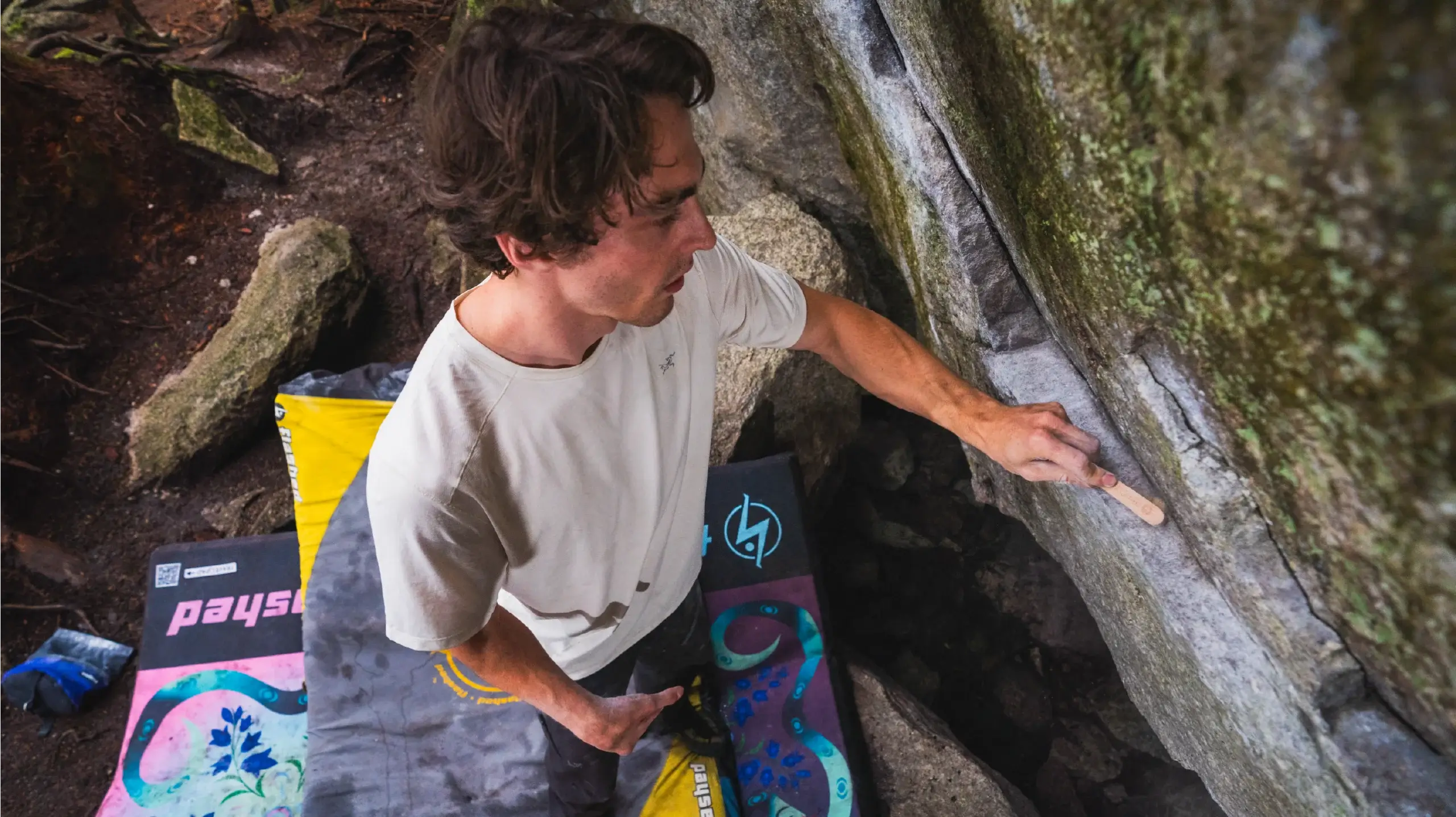
Whether you’re a seasoned boulderer or new to climbing, you’ve undoubtedly noticed climbers brushing holds at your local crag or climbing gym. But why exactly do climbers brush holds, and is it really necessary? Let’s dive deep into the reasons behind this ubiquitous climbing practice and explore everything you need to know about keeping your holds clean and climb-ready.
Why Brush Holds?
Climbing holds, especially outdoors, accumulate chalk, dirt, skin oils, shoe rubber, and natural grime over time. This buildup affects friction significantly, making holds feel slippery or insecure. Regular brushing helps restore grip, allowing climbers to perform moves safely and effectively.
Another important aspect is environmental responsibility. Maintaining clean holds helps preserve rock quality, reducing the potential damage from excessive chalk build-up or residues. Keeping holds clean also respects the natural aesthetics of outdoor climbing areas, making the experience enjoyable for everyone.
The Problem with Chalk Build-Up
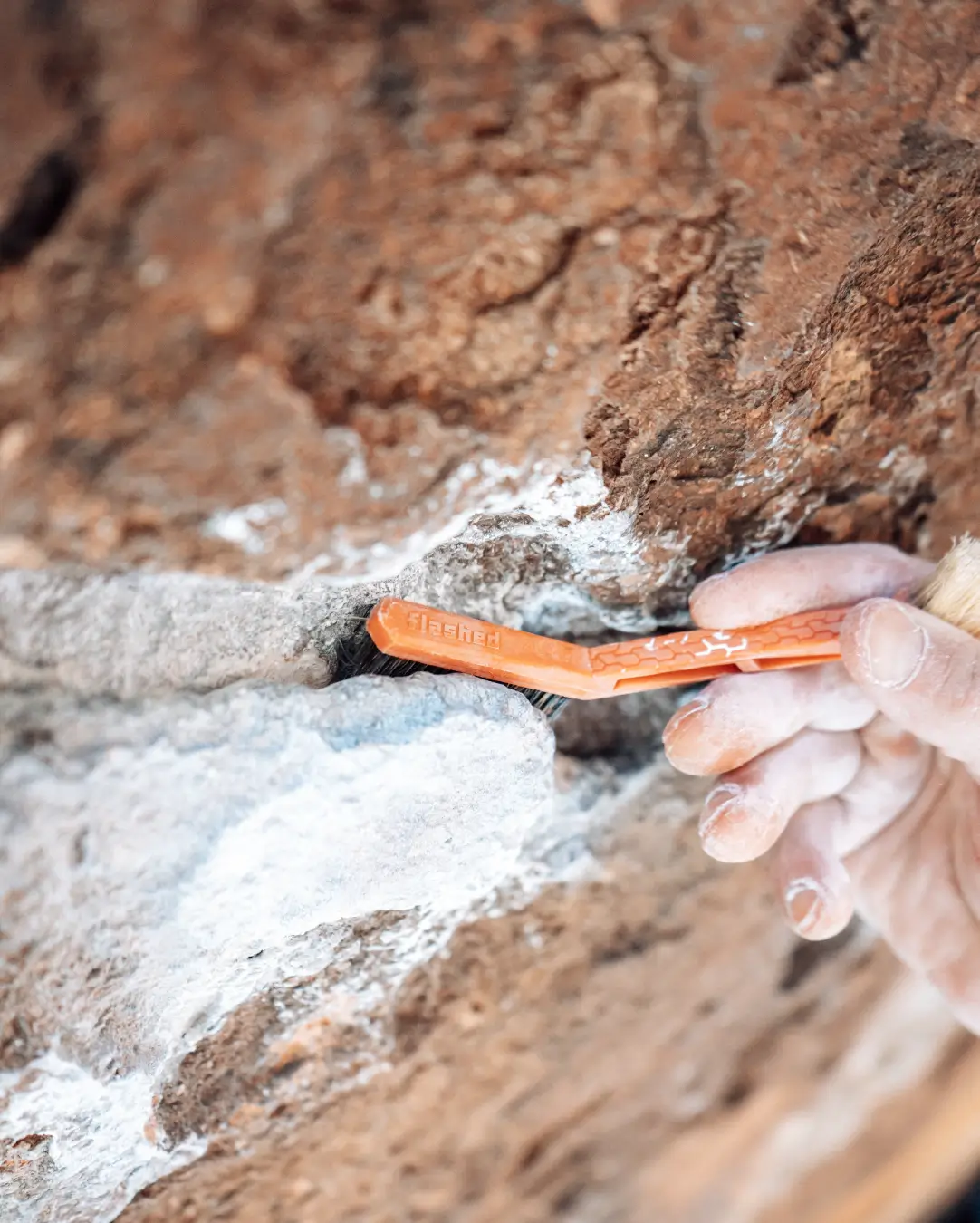
Climbing chalk (typically magnesium carbonate) is crucial for absorbing moisture and improving grip. However, excessive chalk can become problematic. Over time, layers of chalk compact into slick patches that drastically reduce friction. This is particularly troublesome on popular climbs where holds see constant use.
By brushing off this chalk buildup, climbers restore essential friction, improve safety, and ensure fair conditions for others attempting the same problem.
The Ethics and Use of Tick Marks
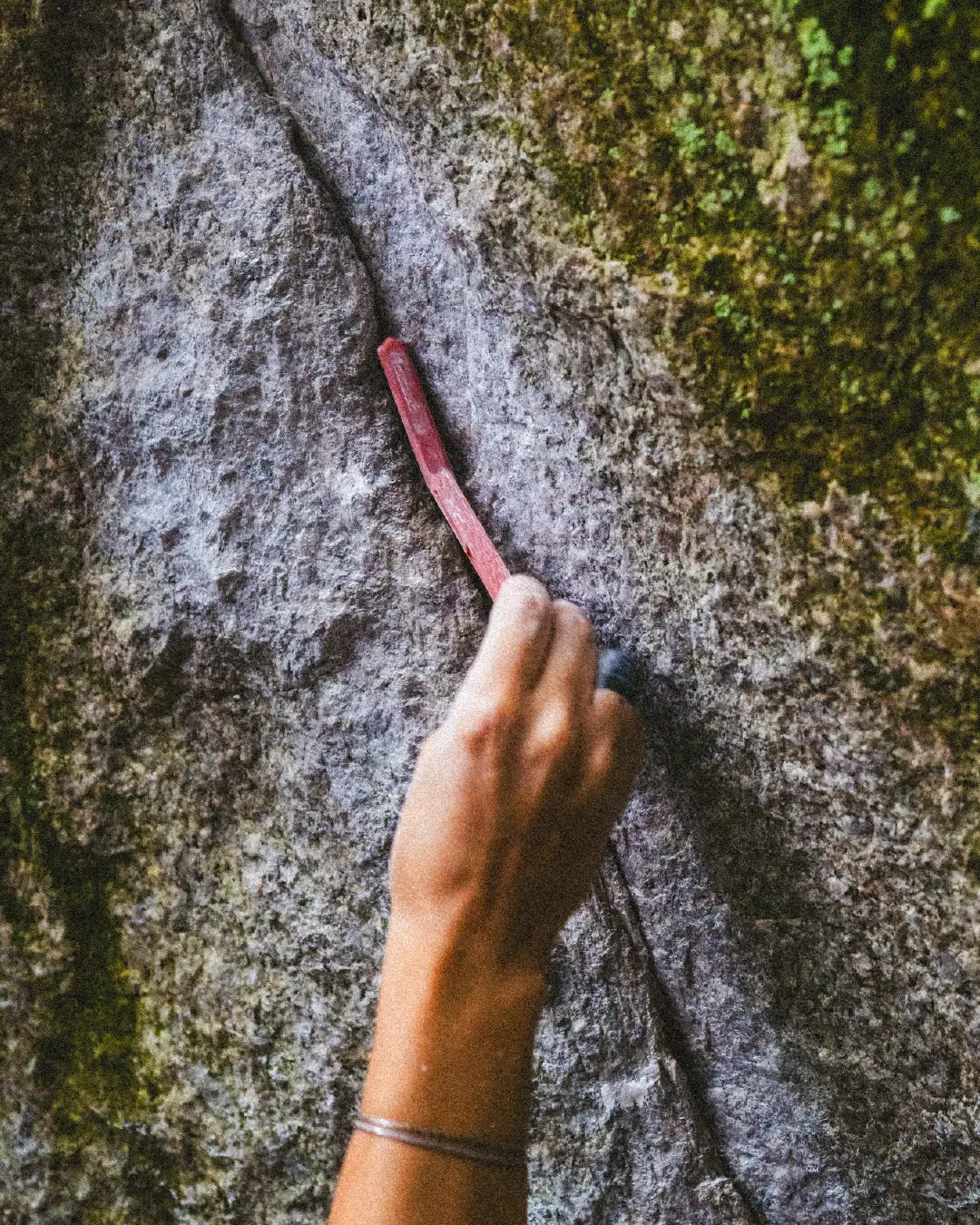
Tick marks are small chalk lines or dots climbers use to highlight specific holds, footholds, or features on a route or boulder problem. While useful for spotting hard-to-see holds or critical beta, tick marks can quickly become controversial if overused or left unbrushed.
Responsible tick-marking means:
- Keep tick marks minimal and discreet.
- Brush them off completely when done climbing.
- Avoid marking obvious holds or creating oversized marks.
Leaving behind prominent tick marks is considered poor etiquette, detracting from the natural climbing environment and potentially misleading or confusing future climbers.
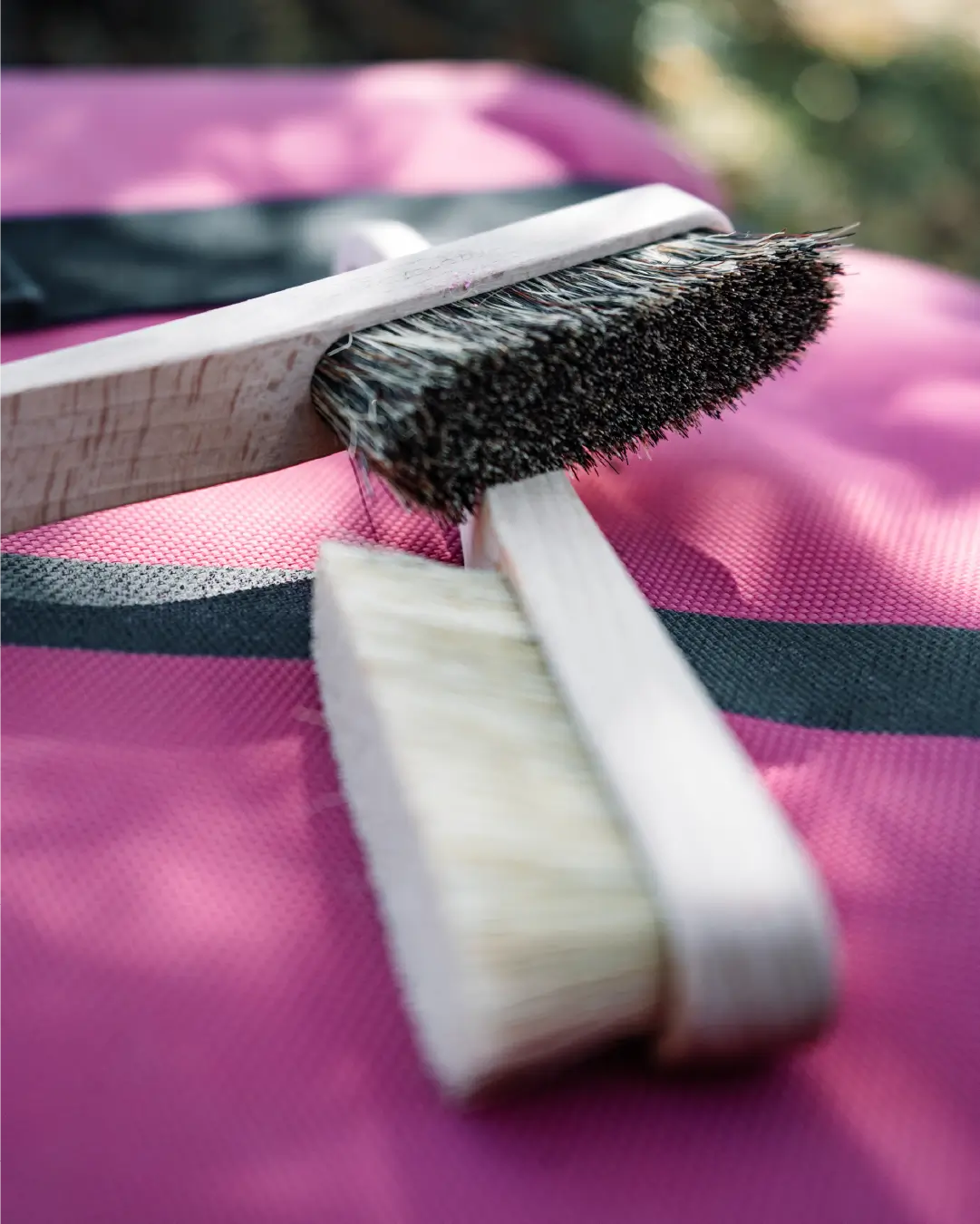
Proper Brushing Technique
Effective brushing technique involves:
- Gentle but firm strokes: Apply enough pressure to remove chalk and dirt without damaging the rock.
- Directional brushing: Typically brush downward or outward, allowing debris to fall away from the hold.
- Frequent brushing: Regular maintenance keeps holds clean, so brush them lightly after each attempt or session.
Types of Brushes
Choosing the right brush is crucial. Here are common types of brushes used in bouldering:
Nylon Bristle Brushes
- Pros: Durable, versatile, cheap.
- Cons: Cannot be used on fragile rock like sandstone..
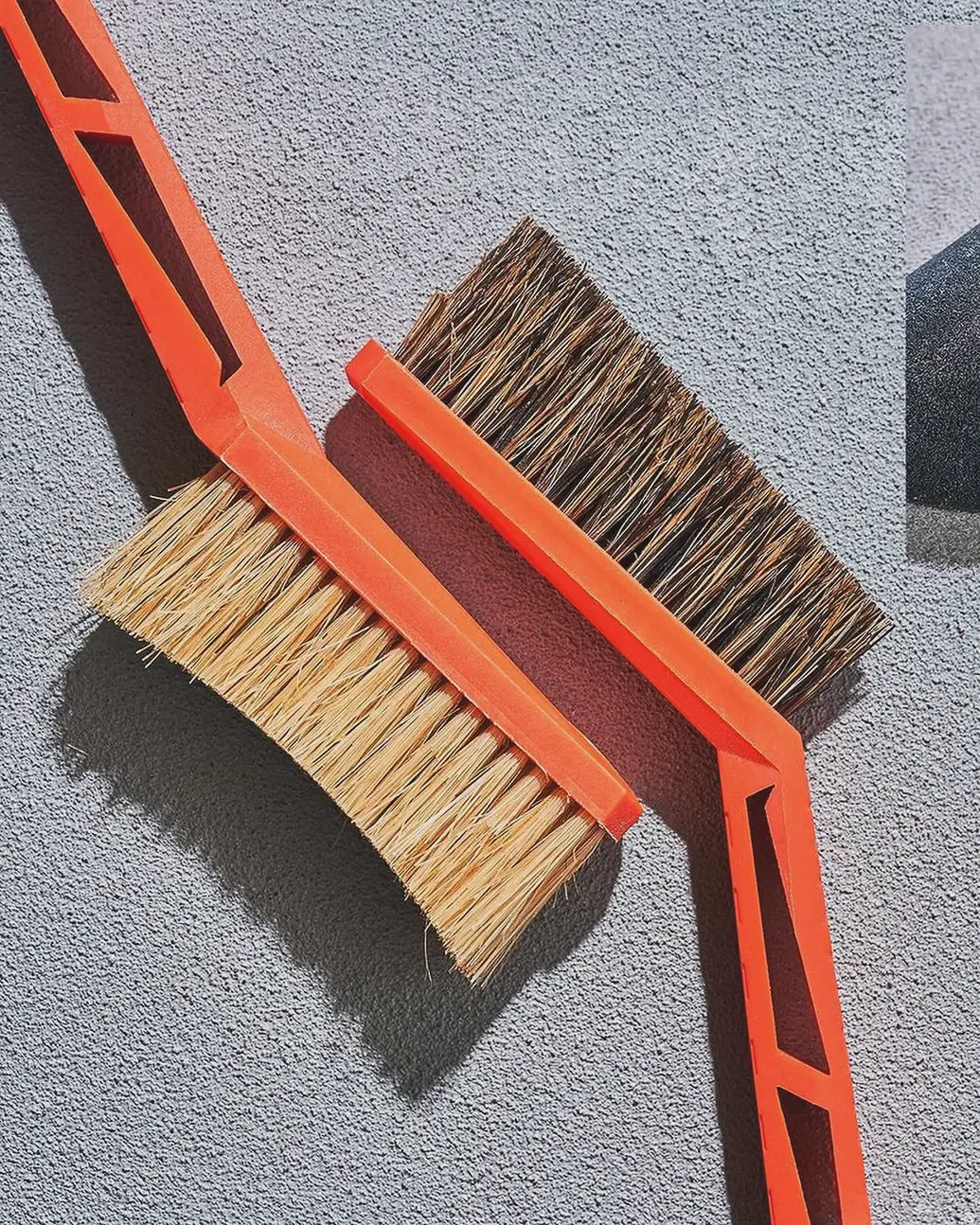
Boar’s Hair Brushes
- Pros: Soft yet effective, excellent for delicate or sensitive rock types.
- Cons: Can wear out quickly, typically more expensive
Wire Brushes
- Important Note: Wire brushes are generally not recommended for climbing holds, as they can severely damage the rock, especially softer types like sandstone or limestone. Always avoid using wire brushes unless explicitly permitted for specific rock types and circumstances.

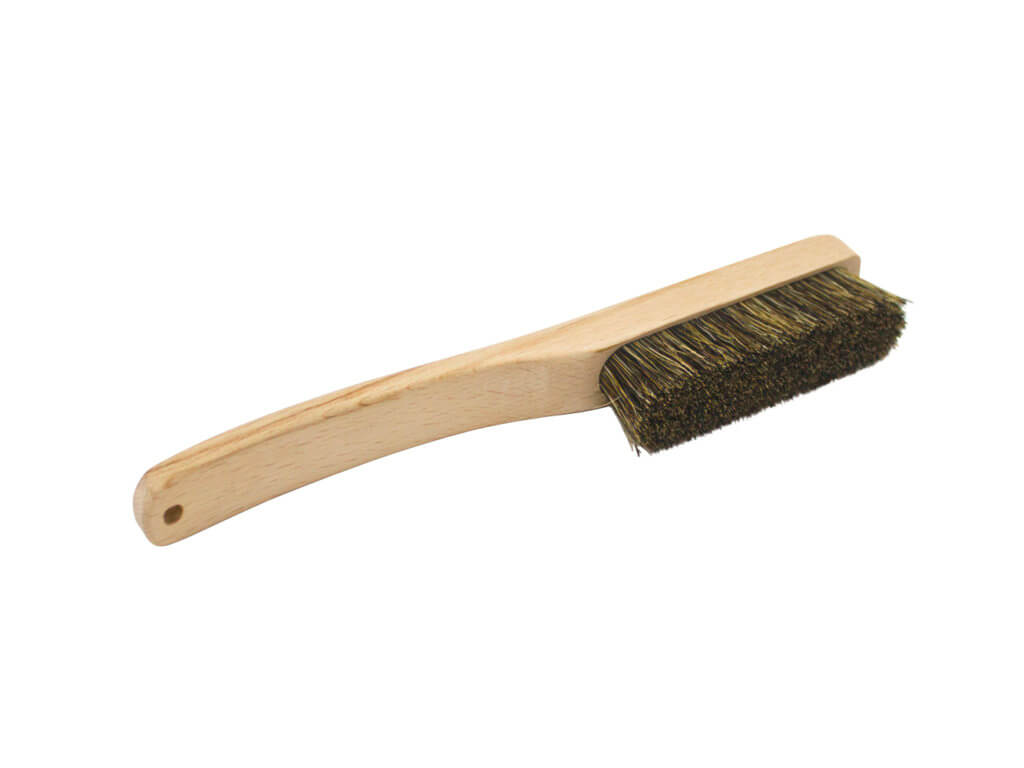
Flashed Brushes – Designed for Climbers, by Climbers
Flashed Climbing offers thoughtfully designed brushes combining ergonomics, durability, and effectiveness:
- Compact and ergonomic designs: Easy to grip, maneuver, and clip onto harnesses.
- Boar hair bristles: Ideal for thorough cleaning without damaging rock.
- Sustainable materials: Many Flashed brushes incorporate recycled or eco-friendly materials, supporting sustainability.
Flashed brushes provide climbers reliable gear to maintain and improve their climbing experience while ensuring minimal impact on natural environments.
Respect Your Climbing Environment
Brushing holds isn’t just about personal climbing performance—it’s about maintaining climbing areas for everyone. By adopting responsible brushing habits, including mindful tick-mark use and choosing appropriate brushes, climbers contribute to the preservation of our beloved bouldering areas.
Whether you’re battling through your project or cleaning up after a satisfying send, remember the importance of good brushing practices. Keep it clean, climb strong, and respect the rock!
Happy brushing!
Curious about other climber habits? Check out our post on why climbers tape their fingers.