


Disclaimer: Bouldering is inherently dangerous. While climbers can take many steps to mitigate risks, the potential for injury always exists. Each climber’s safety ultimately lies in their own hands. Always climb within your limits, use proper equipment, and practice safe climbing techniques.
Bouldering is a dynamic, strength-intensive sport that pushes climbers to their physical limits, often involving explosive movements, powerful grips, and precise technique. While it provides incredible physical and mental benefits, injuries are common due to the intensity and repetitive nature of the sport. Understanding the most frequent injuries, preventive strategies, and proper rehabilitation methods is essential for longevity in climbing.
Finger Pulley Injuries
Finger pulley injuries are among the most common in climbing, especially within bouldering, where small holds and aggressive crimping are prevalent. According to physical therapist and climbing specialist Esther Smith, PT, DPT, the A2 pulley injury is notably frequent, occurring when excessive force is applied to flexed fingers, resulting in strains or tears. Smith explains that these injuries usually manifest with an audible “pop” accompanied by pain and swelling.
Prevention
Preventing finger pulley injuries involves regular conditioning of finger tendons and pulleys. Hangboarding exercises, when executed cautiously and progressively, help build finger strength and resilience. Climbers should gradually increase intensity, paying close attention to pain signals and avoiding intense crimping when fatigued.
Rehabilitation
Smith emphasizes initial rest followed by gradual loading exercises to rehabilitate pulley injuries. Finger extensor exercises using resistance bands, gentle climbing on larger holds, and controlled hangboarding with reduced weight are effective strategies. Consulting a physical therapist early on can ensure proper diagnosis and treatment planning.
Shoulder Impingement and Rotator Cuff Injuries
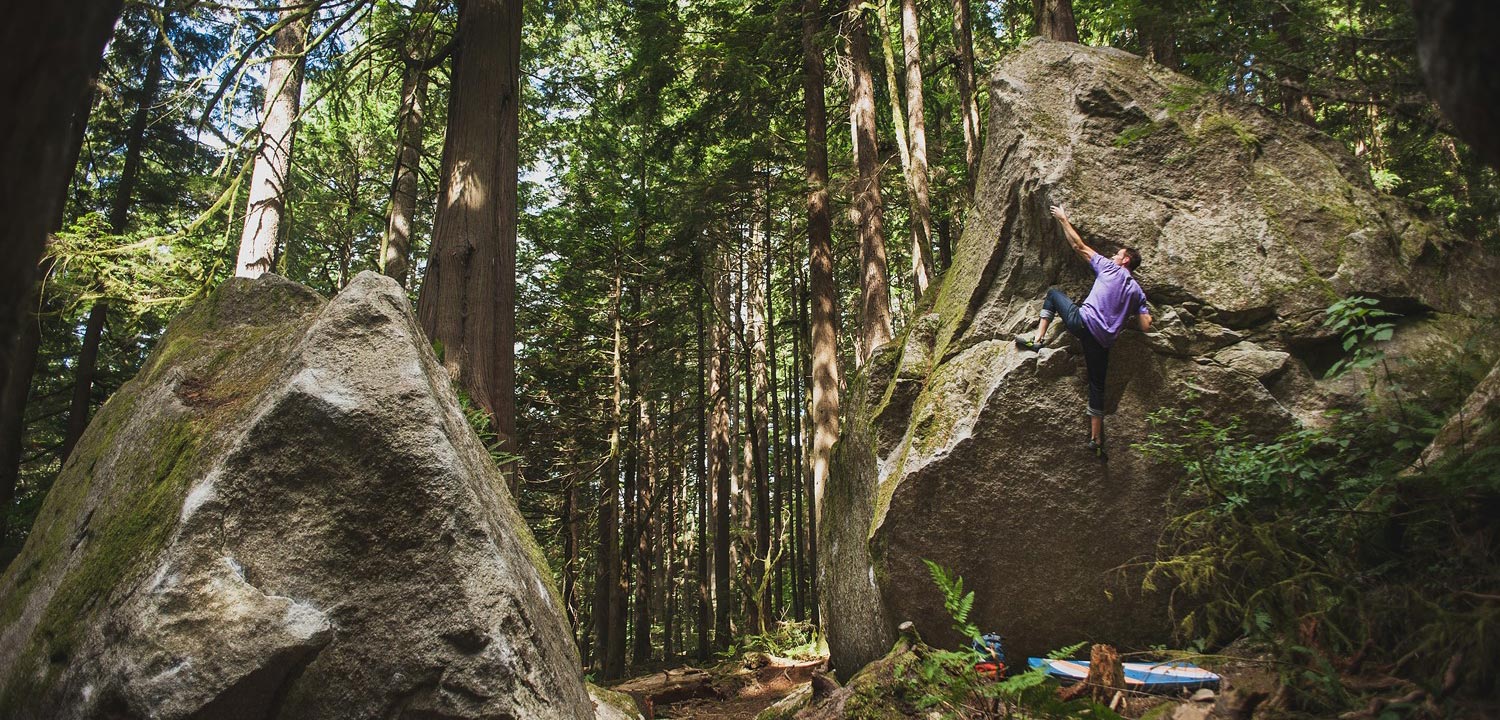
Shoulder injuries, including impingements and rotator cuff strains, are common due to overhead reaching and powerful pulling motions. Physical therapist Jared Vagy, DPT, known as “The Climbing Doctor,” highlights that poor shoulder positioning and repetitive overhead movements contribute significantly to these injuries. Climbers who frequently engage in dynos and lock-off moves are especially susceptible.
Prevention
Vagy recommends targeted strength training exercises such as external rotation with resistance bands, scapular stabilization drills, and practicing proper climbing techniques that avoid overly reaching or excessively loading shoulders in compromised positions. Warm-up routines emphasizing shoulder mobility and strength are also beneficial.
Rehabilitation
Recovery includes gentle mobilization exercises, scapular strengthening, and gradual reintroduction of climbing activities with careful monitoring of shoulder alignment. Consulting a physical therapist specializing in climbing injuries is beneficial for personalized rehab programs, ensuring safe progressions and optimal recovery.
Elbow Tendinopathy (Golfer’s and Tennis Elbow)
Climbers frequently encounter elbow pain, often diagnosed as medial epicondylitis (golfer’s elbow) or lateral epicondylitis (tennis elbow). Both conditions result from repetitive gripping and pulling motions common in bouldering. Climbers often experience gradual onset of pain, exacerbated by gripping, pinching, or repetitive movements.
Prevention
Preventive measures include forearm strengthening and stretching exercises, as well as avoiding sudden increases in training intensity or duration. Climbers should regularly perform eccentric exercises, such as wrist curls and reverse wrist curls, which condition the tendons and muscles around the elbow, promoting resilience against repetitive stress.
Rehabilitation
Rehabilitation typically involves reducing climbing intensity, incorporating eccentric strengthening exercises, and gradually returning to climbing. Physical therapist Tyler Nelson, DC, MS, suggests performing exercises like eccentric wrist flexion and extension to promote healing and prevent recurrence. Icing and anti-inflammatory measures may also be recommended.
Ankle and Lower Limb Injuries
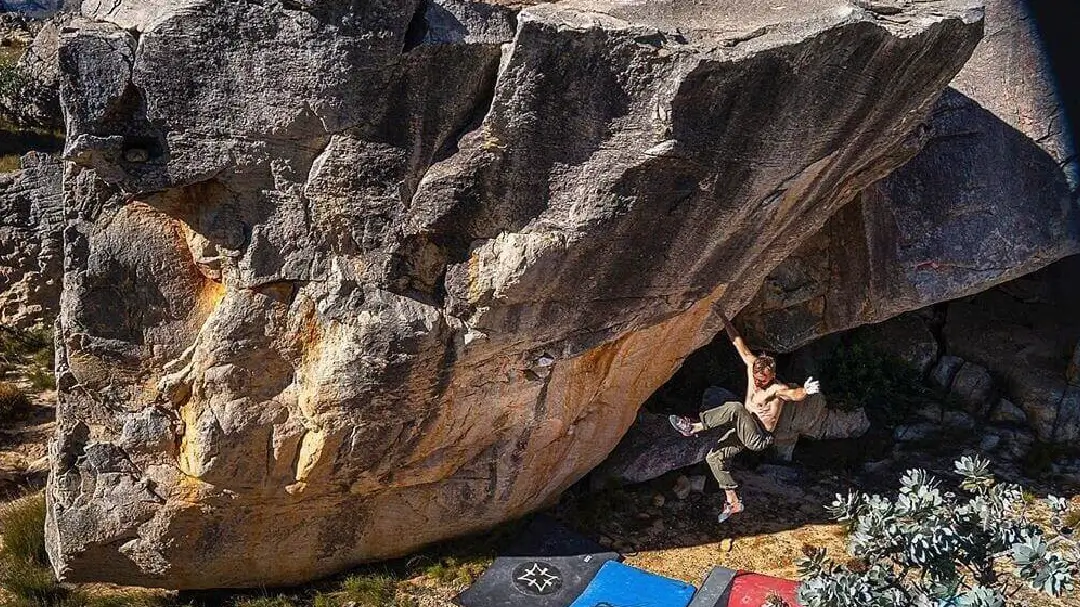
Falls onto crash pads can occasionally result in lower limb injuries, particularly sprained ankles or strained knees, due to awkward landings. Misjudging pad placements or failing to roll properly upon landing significantly contributes to these injuries.
Prevention
Improving landing techniques and strengthening lower limb stability through exercises like single-leg squats, balance drills, and plyometric training can significantly reduce injury risk. Ensuring proper pad placement, attentive spotting practices, and practicing controlled falls in a gym environment further enhance safety. Learn about how to place crash pads from our blog post.
Rehabilitation
Recovery involves rest, icing, compression, elevation (RICE), followed by progressive loading exercises. Physical therapists typically recommend balance and proprioception exercises alongside strength training to rebuild stability and confidence. Climbers should progressively reintroduce landings and controlled climbing activities.
Skin Injuries
While less severe, skin injuries such as flappers, tears, and abrasions frequently impact climbers, especially on abrasive rock or sharp holds. These minor yet disruptive injuries can significantly impair climbing performance and comfort.
Prevention
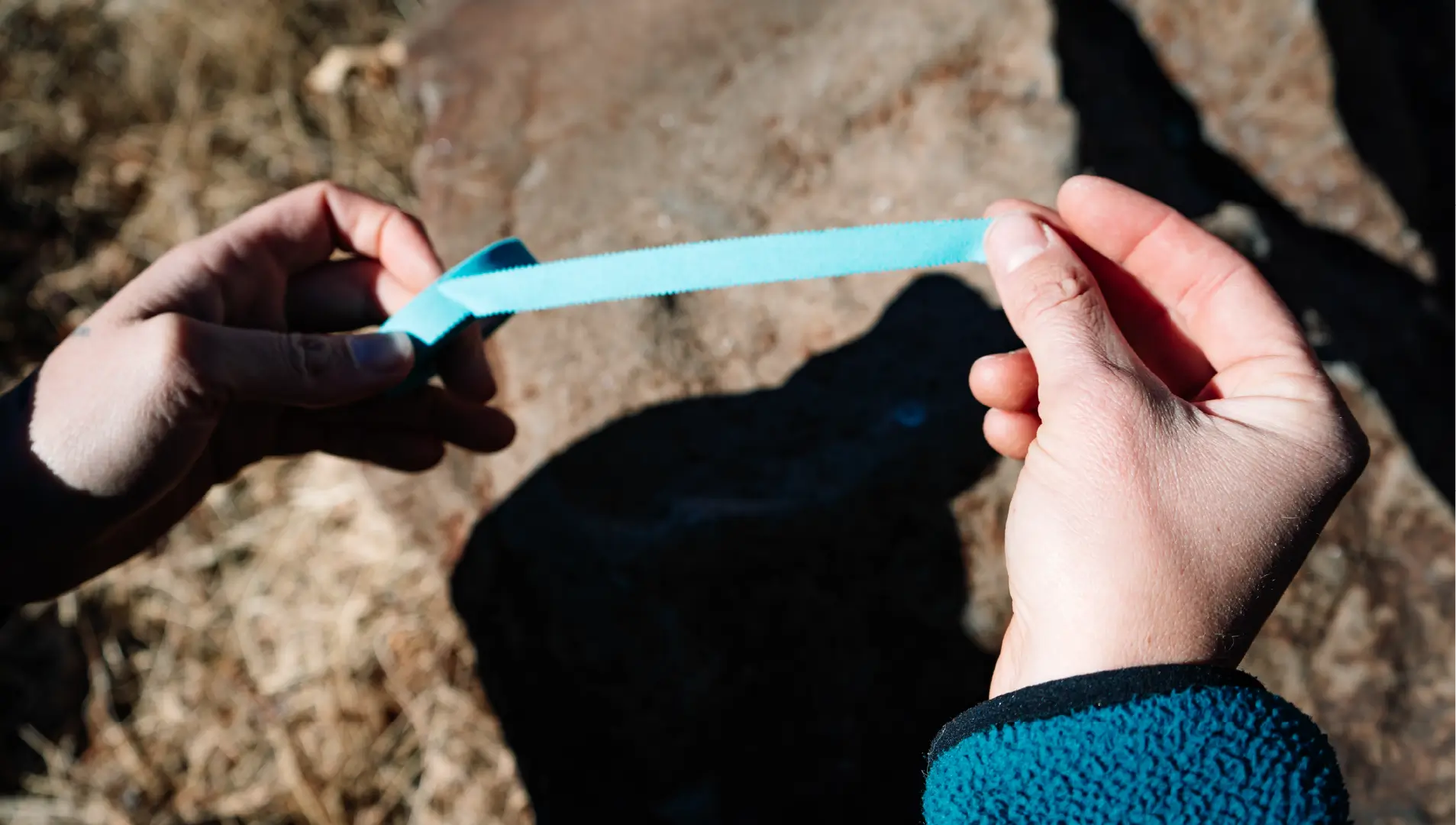
Maintaining healthy skin through regular moisturizing, careful sanding of calluses, and using tape or climbing-specific hand balms can help minimize these injuries. Gradually increasing climbing volume on abrasive surfaces allows skin adaptation without severe injury.
Rehabilitation
Healing skin injuries involves careful cleaning, application of appropriate ointments, and covering wounds until healed. Climbers are advised to temporarily avoid sharp or abrasive holds to facilitate healing and prevent further damage.
Expert Insights and Injury Prevention
According to climbing-specific therapists like Esther Smith, Jared Vagy, and Tyler Nelson, consistent preventive exercise routines and careful attention to climbing form significantly reduce injury occurrence. Incorporating cross-training methods such as yoga or pilates enhances overall muscle balance and flexibility, further mitigating injury risks. Additionally, listening to your body and addressing minor issues before they become chronic injuries is essential.
Structured strength and conditioning routines alongside regular climbing sessions not only enhance performance but greatly reduce injury risks. Regular assessments by professionals experienced with climbers ensure early detection of potential issues.
Final Thoughts
Staying injury-free requires awareness, preventive care, and proactive rehabilitation strategies. By adopting these practices, climbers can ensure longevity, sustained enjoyment, and continuous progress in the sport they love. Always remember, the best climbing is safe climbing.